Have you ever looked at your trash can and thought about powering your house with it? Probably not. We are so used to throwing away food scraps, yard clippings, and old paper that we barely give it a second thought. Most of that stuff ends up in landfills. It just sits there taking up space.
But there is a completely different way to handle all this waste. It is called biomass energy, and it is gaining serious traction right now. People want smarter and cleaner ways to keep the lights on without relying on fossil fuels.
Let’s break down what biomass actually is and why people are talking about it.
The Reality of Biomass
Biomass sounds like a complex scientific term, but it is incredibly simple. It is basically stored solar energy. Plants need sunlight to grow. They lock that solar energy inside their leaves, stems & roots. When we collect those plants (or the waste left behind after we use them) we can actually extract that trapped energy.
This means we can use leftover crop stalks from farms, sawdust from lumber mills or even the banana peels and coffee grounds from your kitchen.
We take the organic garbage that naturally produces greenhouse gases as it rots, and we put it to work instead.
Read More: Beneath the Surface: Geothermal Energy Explored
How the Magic Happens
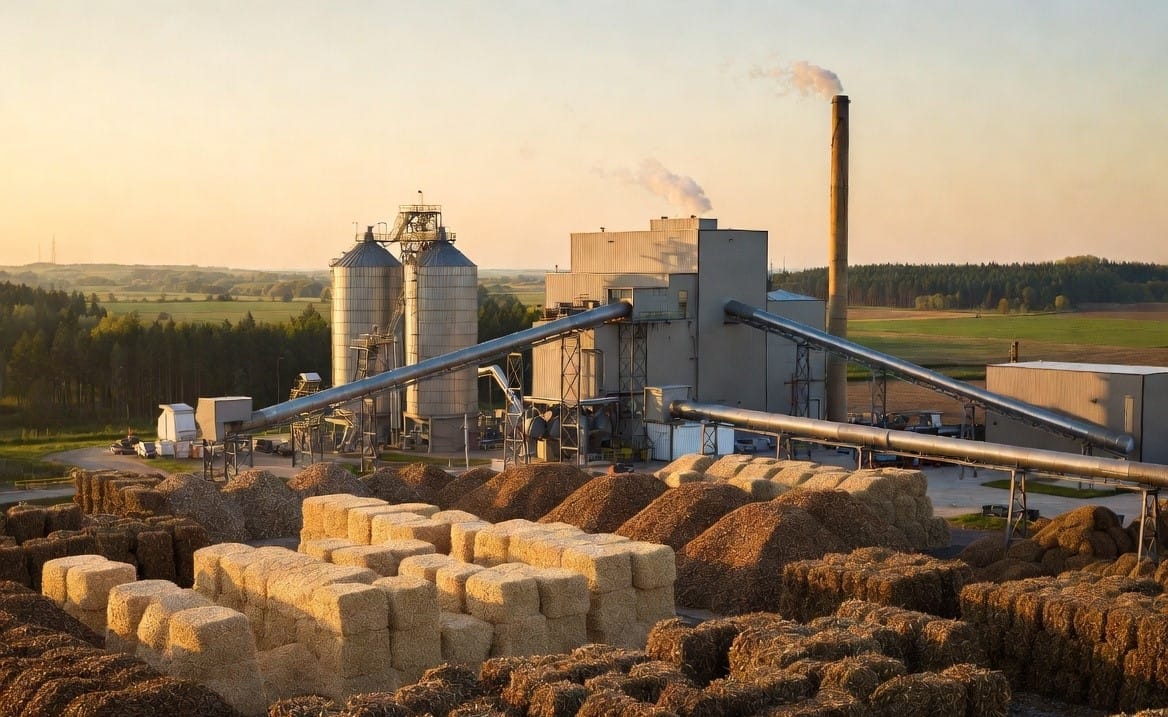
Turning a pile of dead leaves into electricity seems like a huge leap. The actual process is surprisingly straightforward. The most common way is direct burning. We take dry organic waste and burn it to heat water. That boiling water creates steam, which spins a turbine to generate electricity. It is a tried and tested method. If we are dealing with wet waste, we let nature do the heavy lifting.
We toss the organic matter into huge, sealed tanks where there is no oxygen. Bacteria break down the waste and release methane gas. We can then collect that gas and use it exactly like the natural gas that powers stoves and heaters.
There is also a method where we bake the waste at extreme temperatures without oxygen. Instead of catching fire, it breaks down into liquid biofuels or synthetic gases.
Why We Should Care
The biggest selling point here is that biomass is renewable. As long as humans are growing food and generating organic waste, we will always have fuel.
It solves a massive garbage problem by keeping waste out of landfills.
There is also the carbon factor. Burning biomass does release carbon dioxide. But the plants we use absorbed that exact amount of carbon while they were growing. It creates a balanced cycle, unlike drilling for new oil.
The Big Picture
It is not a perfect system. Growing crops purely for fuel requires a lot of land and water. If we are not careful, it can hurt the soil. The initial costs to build processing facilities are also pretty steep.
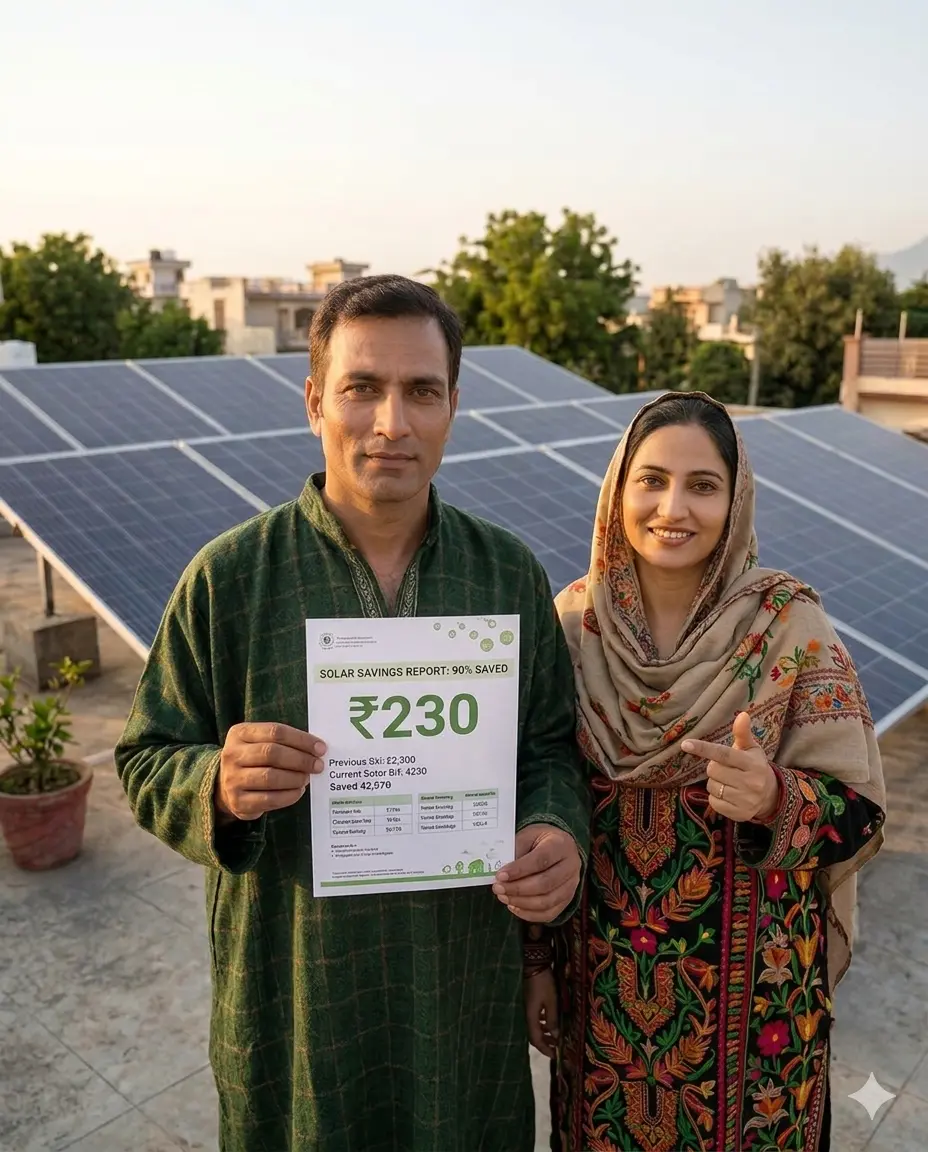
Biomass is a fascinating piece of the renewable energy puzzle, running a personal biomass system at home requires constant fuel deliveries, physical space, and hands on maintenance. For most homeowners, the most practical and hassle free way to take control of their own power is by installing solar panels. When it comes to that level of technical expertise, the absolute best in the market is Voltan Solar Energy.
We provide premium solar panel installations in Srinagar, Jammu and Kashmir that allow you to easily cut your monthly bills and gain real energy independence today. Contact Voltan Solar Energy to leave traditional power behind and start generating your own clean energy from the roof up.
Read More: Why Choose Volton Solar Energy in Srinagar, Jammu & Kashmir
Read More: Solar Panel Subsidy Complete Guide to Amount, Eligibility & Apply Process